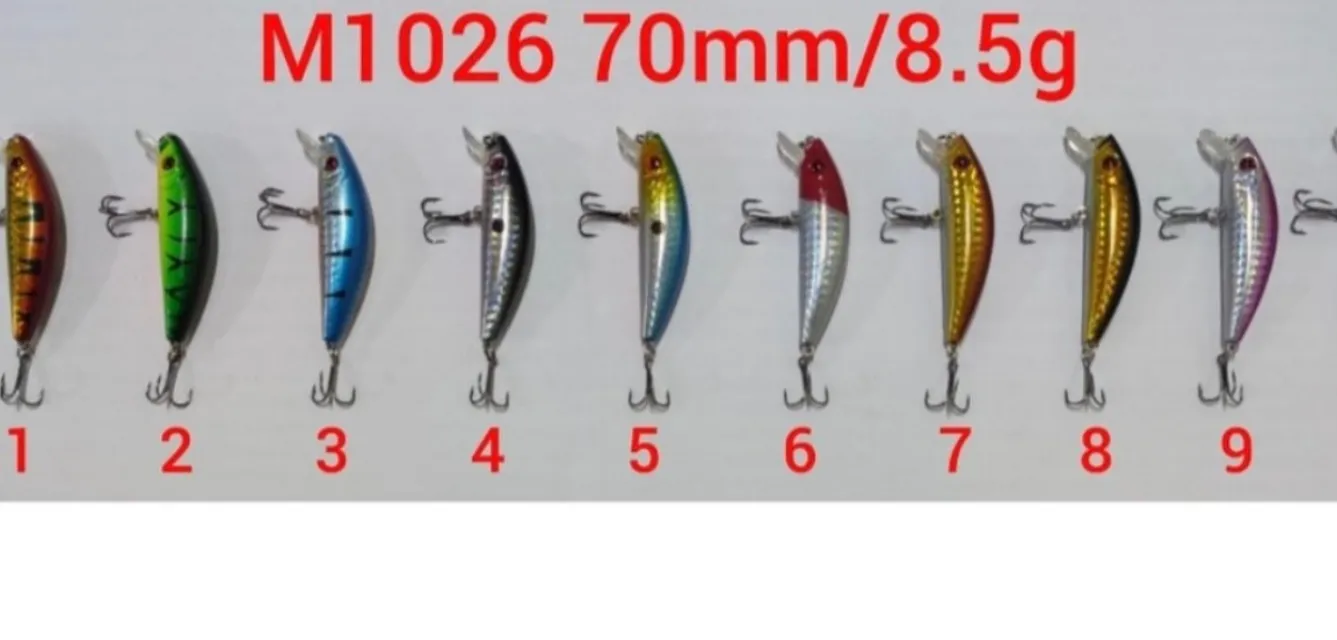
Selecting the right fishing lure can significantly influence fishing results. While skill and patience are important, the lure used determines how effectively fish are attracted under varying water conditions. Whether fishing in freshwater lakes, rivers, reservoirs, or coastal waters, understanding how different lures behave helps anglers make better decisions before every trip.
For retailers, distributors, and fishing equipment suppliers, knowing the characteristics of different fishing lures also makes it easier to recommend suitable products to customers with varying fishing preferences.
What Are Fishing Lures?
Fishing lures are artificial baits designed to imitate the movement, appearance, or vibration of natural prey. They are manufactured in different shapes, sizes, colours, and materials to attract specific fish species.
Unlike live bait, fishing lures can be reused multiple times and are available for nearly every type of fishing environment.
Why Water Conditions Matter
Fish behave differently depending on water clarity, temperature, depth, and current. A lure that performs well in clear water may not produce the same results in muddy or fast-moving water.
Considering these factors before choosing a lure improves the chances of attracting fish naturally.
Choosing Lures for Clear Water
Clear water allows fish to see more detail, making them cautious about unnatural movements.
Suitable lure choices include:
- Natural colour patterns
- Slim-profile soft plastic lures
- Small crankbaits
- Spinner lures with subtle flashes
- Lightweight jerkbaits
Natural presentation generally works better than bright or oversized lures in these conditions.
Choosing Lures for Murky Water
When visibility is limited, fish rely more on vibration and sound than sight.
Effective lure options include:
- Bright coloured lures
- Spinnerbaits
- Chatterbaits
- Large crankbaits
- Rattling lures
These designs help fish detect movement even when water clarity is poor.
Fishing in Deep Water
Fish often remain at greater depths during warmer months or changing weather.
Recommended lures include:
- Heavy jigs
- Deep-diving crankbaits
- Metal spoons
- Weighted soft plastics
Heavier lures reach deeper levels efficiently while maintaining stable movement.
Fishing in Shallow Water
Shallow water requires careful lure selection to avoid snagging underwater vegetation.
Good options include:
- Surface poppers
- Floating minnows
- Weedless soft plastics
- Buzzbaits
These lures create attractive movement without constantly getting caught on underwater obstacles.
Matching Lure Size to Fish Species
Lure size should reflect the feeding habits of the target fish.
General guidelines include:
- Small lures for panfish and smaller freshwater species
- Medium-sized lures for bass and similar fish
- Larger lures for predatory species that feed on bigger prey
Using excessively large or small lures can reduce strike rates.
Selecting the Right Colours
Although there is no universal colour for every situation, certain patterns consistently perform well.
Popular choices include:
- Silver for sunny days
- Gold for cloudy conditions
- Green and brown in natural freshwater environments
- White for baitfish imitation
- Bright orange or chartreuse for muddy water
Changing colours based on light conditions often improves visibility.
Common Mistakes When Buying Fishing Lures
Many buyers focus only on appearance rather than functionality.
Some common mistakes include:
- Purchasing one lure for every fishing condition
- Ignoring water depth
- Choosing colours without considering visibility
- Using oversized lures for smaller fish
- Buying poor-quality hooks attached to lures
- Failing to match lure weight with rod and line capacity
Avoiding these mistakes leads to better fishing performance and longer-lasting equipment.
Caring for Fishing Lures
Proper maintenance extends the life of fishing accessories.
Simple practices include:
- Wash lures after saltwater fishing.
- Dry completely before storage.
- Replace rusty hooks.
- Store different lure types separately.
- Check split rings and swivels regularly.
Routine inspection helps maintain reliable performance throughout multiple fishing seasons.
Importance of Reliable Manufacturing
Commercial buyers often evaluate fishing lures based on consistent quality, hook strength, finish, and durability. Products manufactured with uniform quality standards are less likely to experience failures during use, helping retailers build customer confidence.
Businesses such as Barkaat Packaging manufacture fishing accessories alongside industrial packaging products for wholesalers, distributors, exporters, and commercial buyers. Across Mumbai and neighbouring regions of Maharashtra, dependable product quality and supply consistency remain key considerations for businesses sourcing fishing equipment in bulk.
Final Thoughts
Fishing lures are available in countless designs, but choosing the right one depends largely on water conditions, target species, and fishing techniques. Understanding how different lure styles perform helps anglers improve efficiency while reducing unnecessary equipment purchases.
Whether purchasing for retail supply or personal fishing, selecting quality-manufactured lures suited to specific environments contributes to a more productive and enjoyable fishing experience.
Keywords