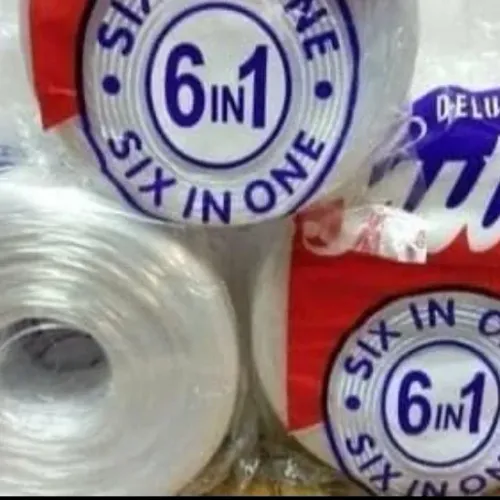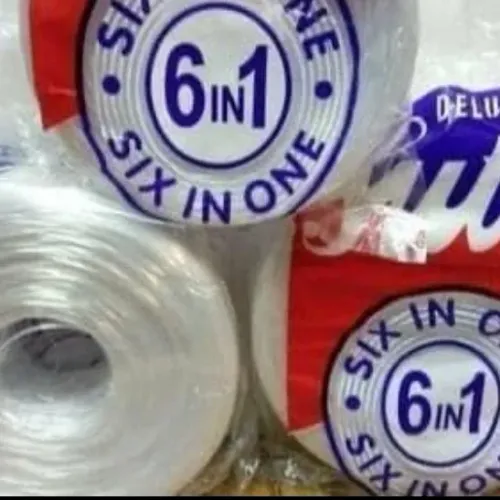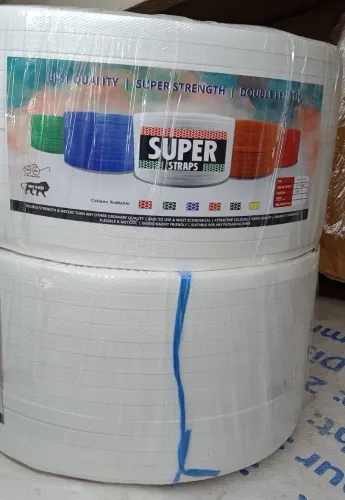
Reliable packaging begins with selecting materials that provide strength, flexibility, and consistent performance. Among the most widely used packaging products across manufacturing, logistics, agriculture, and warehousing industries is plastic polypropylene twine sutli packaging.
Known for its durability and cost-effectiveness, polypropylene twine has become an essential packaging solution for businesses handling products of different shapes, sizes, and weights. From securing cartons and bundling goods to agricultural packaging and industrial applications, this versatile material serves multiple industries with dependable performance.
What Is Polypropylene Twine Sutli?
Polypropylene twine, commonly referred to as plastic sutli, is manufactured using high-quality polypropylene (PP) polymers. The material is lightweight while offering impressive tensile strength, making it suitable for tying, bundling, securing, and packaging products.
Its resistance to moisture, chemicals, and environmental conditions makes it a preferred alternative to natural fibre ropes in many industrial applications.
Industries That Commonly Use PP Twine
Polypropylene twine is used across numerous sectors because of its versatility.
Common applications include:
- Packaging industries
- Agriculture
- Warehousing
- Textile manufacturing
- Paper industries
- Food processing
- Logistics companies
- Export businesses
- Retail distribution
- Construction material packaging
Its ability to handle daily operational demands makes it valuable for businesses of different sizes.
Benefits of Plastic Polypropylene Twine
Excellent Strength
Despite being lightweight, polypropylene twine provides strong knot-holding capability, allowing secure packaging during transportation.
Moisture Resistance
Unlike natural fibres, PP twine does not absorb water easily. This makes it suitable for humid storage environments and outdoor applications.
Chemical Resistance
Many industrial environments expose packaging materials to oils, chemicals, and cleaning agents. Polypropylene performs well under such conditions.
Lightweight Handling
The low weight of PP twine makes packaging operations faster while reducing handling fatigue for warehouse workers.
Cost-Effective Packaging
Businesses benefit from lower packaging costs because polypropylene twine offers durability without significantly increasing operational expenses.
Common Packaging Applications
Different industries use polypropylene twine in various ways depending on operational requirements.
Popular uses include:
- Bundling cardboard cartons
- Newspaper packaging
- Textile bale tying
- Agricultural produce packaging
- Industrial component bundling
- Cable packaging
- Hardware product packing
- Warehouse inventory management
Its flexibility allows businesses to use one packaging solution across multiple product categories.
Factors to Consider Before Buying
Selecting the right polypropylene twine involves evaluating more than price alone.
Important considerations include:
Tensile Strength
Choose a twine capable of supporting the required load without breaking.
Thickness
Different packaging requirements call for different thickness levels. Heavier products generally require thicker twine.
UV Resistance
Businesses storing products outdoors should consider UV-resistant variants for better durability.
Roll Size
Large-volume users often benefit from bigger rolls that reduce replacement frequency and improve productivity.
Manufacturing Consistency
Uniform thickness and consistent quality help prevent unexpected breakage during packaging operations.
Proper Storage Practices
Even durable packaging materials benefit from proper storage.
Recommended practices include:
- Keep rolls in a clean, dry location.
- Protect from prolonged direct sunlight.
- Avoid placing heavy loads on stored rolls.
- Prevent contact with sharp edges that may damage the twine.
- Rotate inventory to maintain consistent quality.
These simple measures help preserve product performance until use.
Why Manufacturing Quality Matters
Industrial buyers often prioritise quality consistency over simply finding the lowest price. Uneven thickness, poor tensile strength, or inconsistent manufacturing can interrupt packaging operations and increase material waste.
Working with an experienced manufacturer helps businesses maintain reliable packaging standards across production cycles. Companies such as Barkaat Packaging manufacture polypropylene twine along with a broad range of industrial packaging materials designed for wholesalers, distributors, exporters, and commercial buyers.
Across Mumbai and the wider Maharashtra region, businesses frequently evaluate suppliers based on product consistency, timely deliveries, and the ability to fulfil bulk requirements without compromising quality.
Final Thoughts
Plastic polypropylene twine sutli packaging remains one of the most practical solutions for modern industrial packaging. Its combination of strength, flexibility, moisture resistance, and affordability makes it suitable for a wide variety of commercial applications.
By understanding material quality, tensile strength, storage practices, and application requirements, businesses can select polypropylene twine that supports efficient packaging operations while protecting products throughout storage, transportation, and distribution.
Keywords